


1. Rearrange the Furniture, Rearrange the Mindset

Let’s begin with the physical environment, the often-overlooked foundation of any learning space. Traditional classroom setups—with desks in rigid rows facing forward—are designed for passive, teacher-centered instruction. But that design doesn't encourage collaboration or dialogue.
A collaborative environment needs flexible, modular furniture.
Tables should be movable. Chairs should be light. Layouts should change easily from lecture to group work to one-on-one discussions.
Quick Ideas:
- Create learning zones: group tables, tech stations, lounge pods, or floor seating with cushions.
- Use whiteboard tables so students can draw and brainstorm freely.
- Incorporate standing desks or bar-height tables to increase energy and movement.
Students are more likely to engage when the space around them encourages freedom, ownership, and movement.
2. Give Them a Reason to Talk
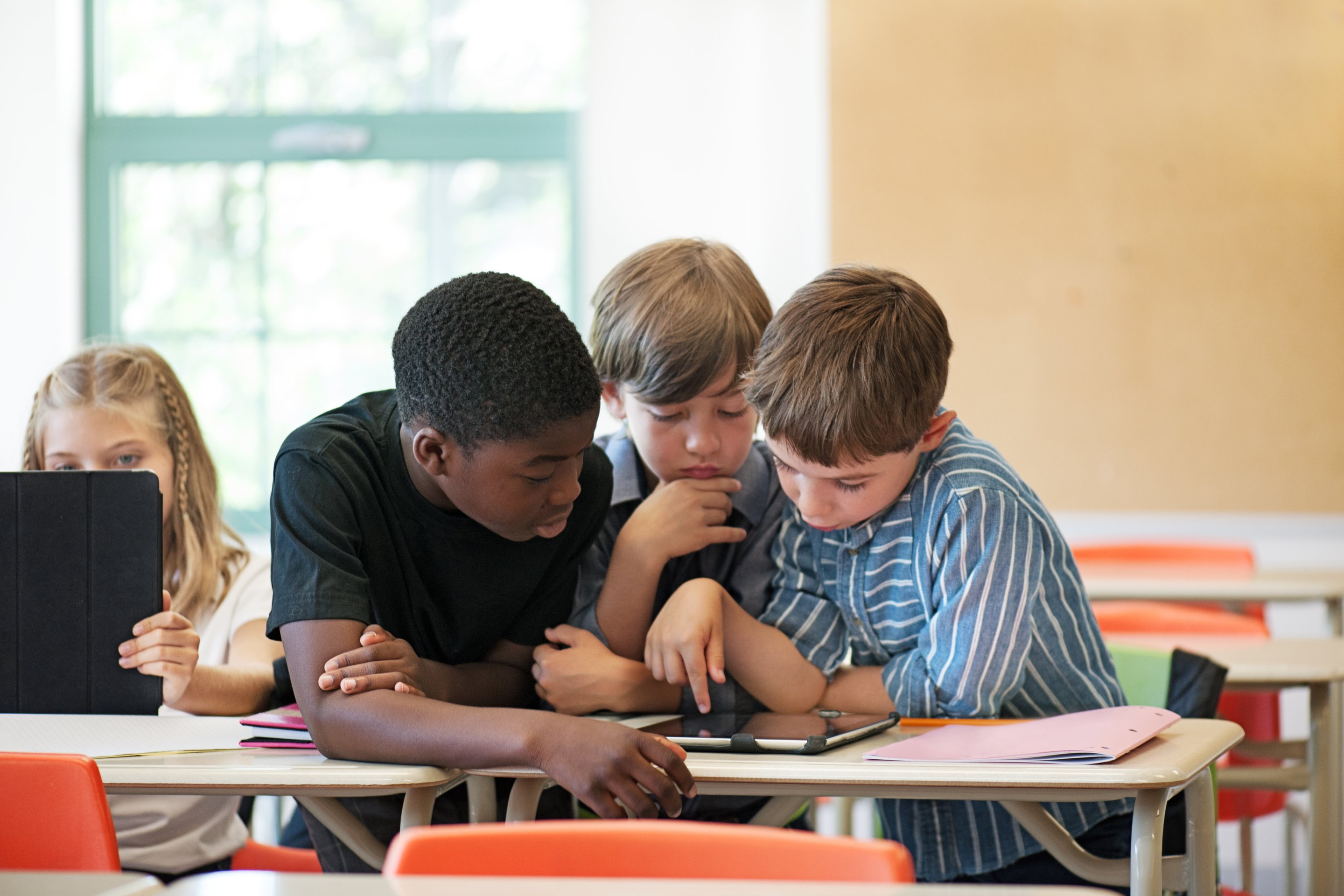
Even in beautifully designed spaces, students won’t speak up unless they’re given meaningful reasons to. It’s not enough to say “discuss this with your partner”—you need to structure tasks that rely on collaboration.
Create activities with interdependence, where one student can’t complete the task without input from others.
Collaborative Techniques:
- Think-Pair-Share: A simple but powerful method. Ask a thought-provoking question, give students a minute to think individually, then pair up to share before opening it to the full class.
- Jigsaw Learning: Divide content among small groups. Each group becomes an "expert" in one area and then teaches it to others.
- Role-Based Work: Assign rotating group roles (e.g., facilitator, recorder, presenter, devil’s advocate) to ensure everyone participates.
Silence isn’t always a sign of defiance—sometimes it’s just a sign of unclear expectations.
3. Make Technology the Bridge, Not the Barrier

Tech often gets blamed for isolating students—but when used right, it can become the ultimate tool for collaboration.
Collaborative platforms allow for real-time feedback, brainstorming, shared visuals, and asynchronous teamwork. In hybrid or digital classrooms, they are essential.
Tools That Spark Dialogue:
- Google Workspace: Great for co-editing documents, giving feedback, and sharing notes.
- Padlet & Jamboard: Create interactive boards where students can post ideas anonymously—great for shy participants.
- Flip (formerly Flipgrid): Video-based discussions that allow students to record and respond at their own pace.
And don’t forget about in-room tech: Smart boards, Apple TVs, or wireless projection allow students to showcase work and collaborate in front of the class easily.
Students are already digital natives—meet them where they are, but give them structure and purpose.
4. Create “Talk Zones” in the Room
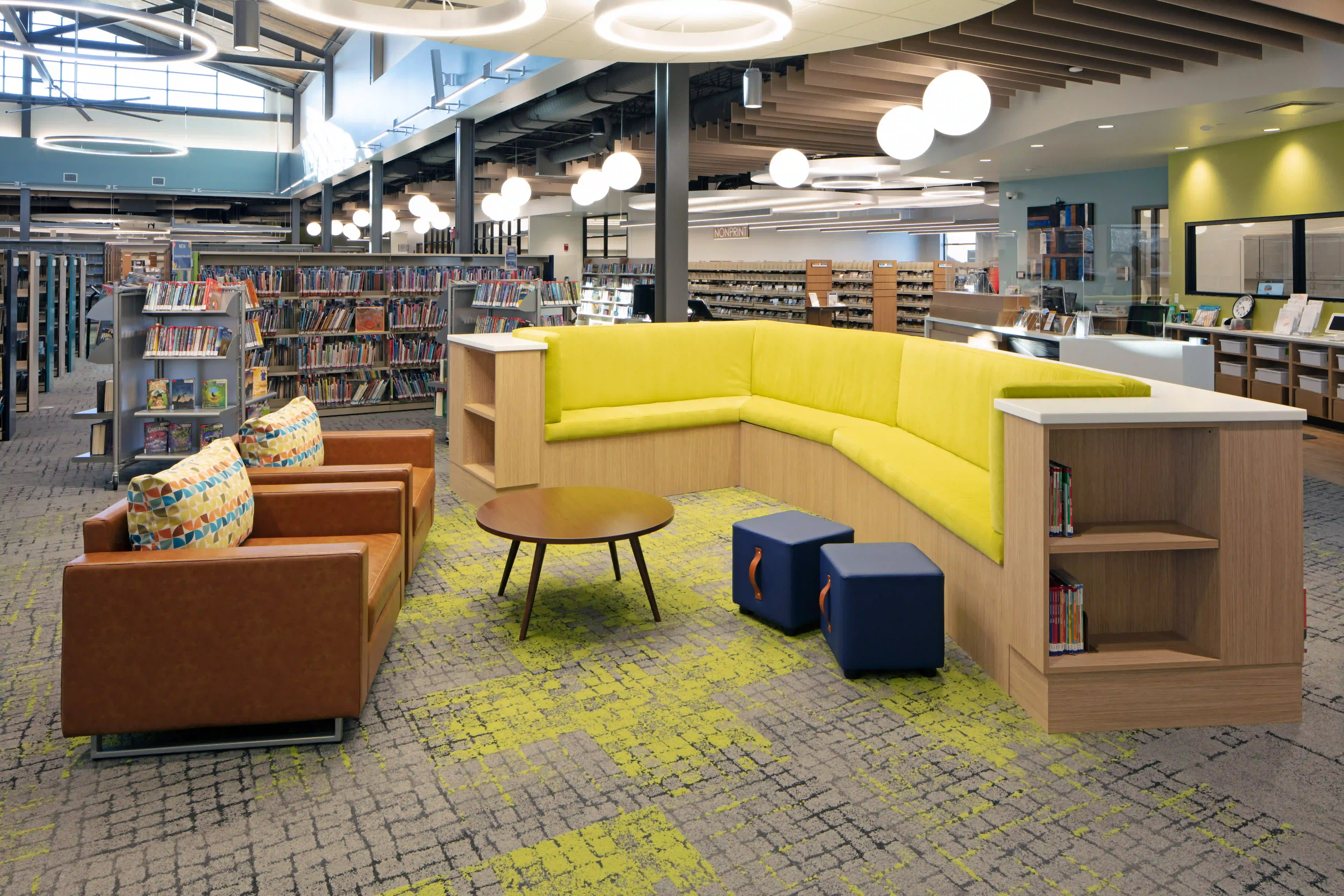
Not every student thrives in large-group discussions. To be truly collaborative, your environment should offer varied spaces for interaction.
Create intentional micro-environments that cater to different group sizes and communication styles.
Setup Suggestions:
- Paired Corners: Two-chair areas for quiet partner work.
- Standing Roundtables: For quick, energetic group exchanges.
- Comfort Lounges: Beanbags, rugs, or soft benches ideal for relaxed, deep conversation.
Also consider how noise levels and lighting influence participation. Some students prefer bright, active areas; others prefer calm, dimmer spots.
Design isn’t about aesthetics—it’s about access. Everyone deserves a space that supports how they learn and communicate.
5. Make Participation the Default, Not the Extra
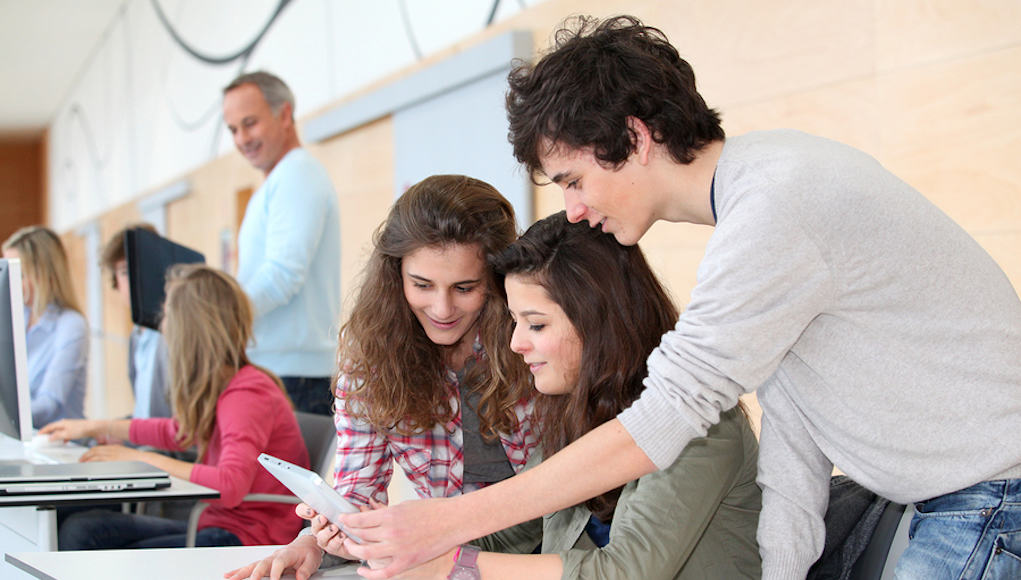
If participation feels like “extra credit,” many students will opt out. To change this, you need to make collaborative participation part of the core learning process.
This doesn’t mean constant group work—it means designing lessons where discussion is essential to comprehension.
Implementation Ideas:
- Interactive Questioning: Use cold-calling, random name pickers, or chat functions (for online classes) to distribute voice time fairly.
- Socratic Seminars: Guide structured discussions where students explore big ideas through dialogue, not debate.
- Peer Teaching: Rotate students into teaching or demo roles—it boosts confidence and comprehension.
When students feel like their voice matters, they start using it more.
6. Redesign Assignments for Collaboration, Not Just Completion

Are your assignments truly collaborative—or just group tasks in disguise?
Many so-called “group projects” are still individual tasks divided among team members. To fix this, create assignments that require collective thinking, real dialogue, and shared outcomes.
Assignment Examples:
- Design Challenges: Task students with solving a problem through research, prototyping, and presenting as a team.
- Case Studies or Role-Plays: Bring real-world scenarios into the classroom that require students to explore multiple perspectives.
- Media Projects: Have students produce a podcast, video, or blog as a group, encouraging creativity and negotiation.
Make sure assessments reflect teamwork, not just the end product—include peer evaluations, reflection logs, or live demos.
Great collaborative assignments feel like co-creating something bigger than the sum of its parts.
7. Build a Culture Where Every Voice Counts

Even with the best layout, tools, and assignments, collaboration won’t happen if the culture isn’t safe.
Psychological safety is the foundation of all collaboration. If students fear being mocked, ignored, or shut down, they’ll retreat into silence—no matter how engaging your environment is.
How to Build That Culture:
- Start with Connection: Daily warm-ups, mood check-ins, or short “get to know you” games go a long way.
- Model Vulnerability: Share your own mistakes or learning moments. Ask open-ended questions. Be a guide, not a judge.
- Celebrate All Contributions: Praise effort, not just correctness. Recognize quieter students who take a step forward.
Create group norms together, revisit them often, and make listening just as important as speaking.
If your classroom feels like a team, collaboration becomes second nature.
